

Scan Me: Why Real-Life Dating Beats the Apps
Scan Me.Then Look Up.
Dating apps gave us access to more people than ever. So why does finding someone feel harder, more exhausting and less human?
There was a time when meeting someone required a little courage.
You had to look up. Make eye contact. Find a reason to start a conversation. You risked an awkward moment, a polite rejection or the possibility that your opening line might not land.
You also risked something wonderful happening.
Today, dating often begins very differently. Before we hear someone's voice or see the way their face changes when they laugh, we are asked to evaluate them through a handful of photos, a carefully edited bio and a few answers to predictable prompts.
Then we make a decision in seconds.
Left. Right. Maybe. Next.
Dating apps promised to make connection easier by giving us access to more people. In some ways, they have. They have introduced couples who might never have crossed paths otherwise, and they can be especially valuable for people with limited dating pools or busy lives.
But access is not the same thing as intimacy.
After years of swiping, many people are not feeling more hopeful. They are tired.
When More Options Create Less Connection
Dating apps can make it seem as though there is an endless supply of potential partners. If one conversation feels slightly off, another profile is waiting. If a date is not immediately electric, we can return to the app before we have even arrived home.
That abundance can distort our sense of reality.
In real life, people are not an endless catalogue of interchangeable options. They are layered, imperfect and often impossible to understand at a glance. Chemistry can take a moment to reveal itself. Attraction can grow through conversation. Someone who might not have survived a two-second swipe can become magnetic when they are standing in front of you.
But the apps train us to keep moving.
We begin looking for reasons to eliminate people instead of reasons to become curious about them. A strange photo, an ordinary job title, the wrong taste in music or one awkwardly written answer can be enough to dismiss someone entirely.
The result is a strange contradiction: we are surrounded by possibilities but starved for connection.
Dating-App Fatigue Is Real
There is an emotional cost to repeatedly presenting yourself for evaluation.
You choose the right photos. Rewrite your bio. Try to sound funny without trying too hard. Match with someone. Exchange messages. Wait. Wonder whether you should double-text. Watch a promising conversation disappear without explanation.
Then you start again.
Over time, the process can make dating feel less like meeting people and more like managing a part-time job—one with vague expectations, inconsistent communication and no guarantee that anyone will show up.
Even when we match, the sheer number of choices can make it harder to invest. Conversations become disposable because another one can begin instantly. Ghosting feels easier because the person on the other side of the screen can start to feel abstract. We forget that every profile belongs to a real human being hoping to be seen.
The fatigue does not come only from rejection. It comes from repetition without depth.
A Profile Is Not a Person
Dating profiles give us information, but they leave out much of what actually creates attraction.
They cannot show us how someone treats a server, whether they make other people feel included or how attentive they are when we speak. They cannot capture the warmth in someone's voice, the timing of their humor or the small gestures that make us feel safe around them.
They also encourage us to package ourselves.
We select the most flattering images and reduce our personalities to digestible fragments: adventurous, ambitious, fluent in sarcasm, always looking for a travel partner. We turn ourselves into brands and hope the right audience responds.
But the things that make someone lovable are rarely the easiest things to advertise.
Sometimes connection begins with a detail no algorithm could predict—a shared reaction, an unexpected joke or a conversation that stretches long past the point when either person planned to leave.
You do not always know who will make sense to you until you meet them.
Context
A bookstore, a friend's party or a familiar coffee shop gives the meeting a shared moment before either person says a word.
Chemistry
A voice, a laugh, a look—the cues that create attraction are richer and more surprising than anything a profile can capture.
Courage
Saying hello without knowing the outcome builds the very skill dating asks of us: the willingness to be seen.
Real Life Gives People Room to Surprise Us
Meeting in person brings back something dating apps tend to remove: context.
The person beside you in a bookstore already shares a small moment with you. The stranger at a friend's party comes with a web of social connections. The person you keep seeing at the coffee shop becomes familiar before either of you says a word.
These interactions give attraction room to develop naturally.
They also ask us to be present. There is no profile to study and no list of specifications to compare. We have to notice how we feel around someone. Are we curious? Comfortable? Energized? Do we want the conversation to continue?
That does not mean every real-life interaction becomes a love story. Most will not. Some will be awkward, and some approaches will be politely declined.
But awkwardness is not failure. It is part of being human.
A brief conversation can still brighten an afternoon. A rejection can be handled with grace. And every time we take a respectful chance, we strengthen a skill the apps can slowly weaken: the ability to connect without knowing the outcome in advance.
Looking Up Is a Small Act of Rebellion
Choosing to meet people in real life does not require deleting every dating app or approaching every attractive stranger.
It can begin much more simply.
Leave the headphones off sometimes. Put the phone away while waiting for coffee. Attend the event alone. Accept the invitation. Ask the follow-up question. Notice who is around you.
And when a moment feels right, say hello.
Not because every conversation has to lead somewhere, but because connection needs an opening.
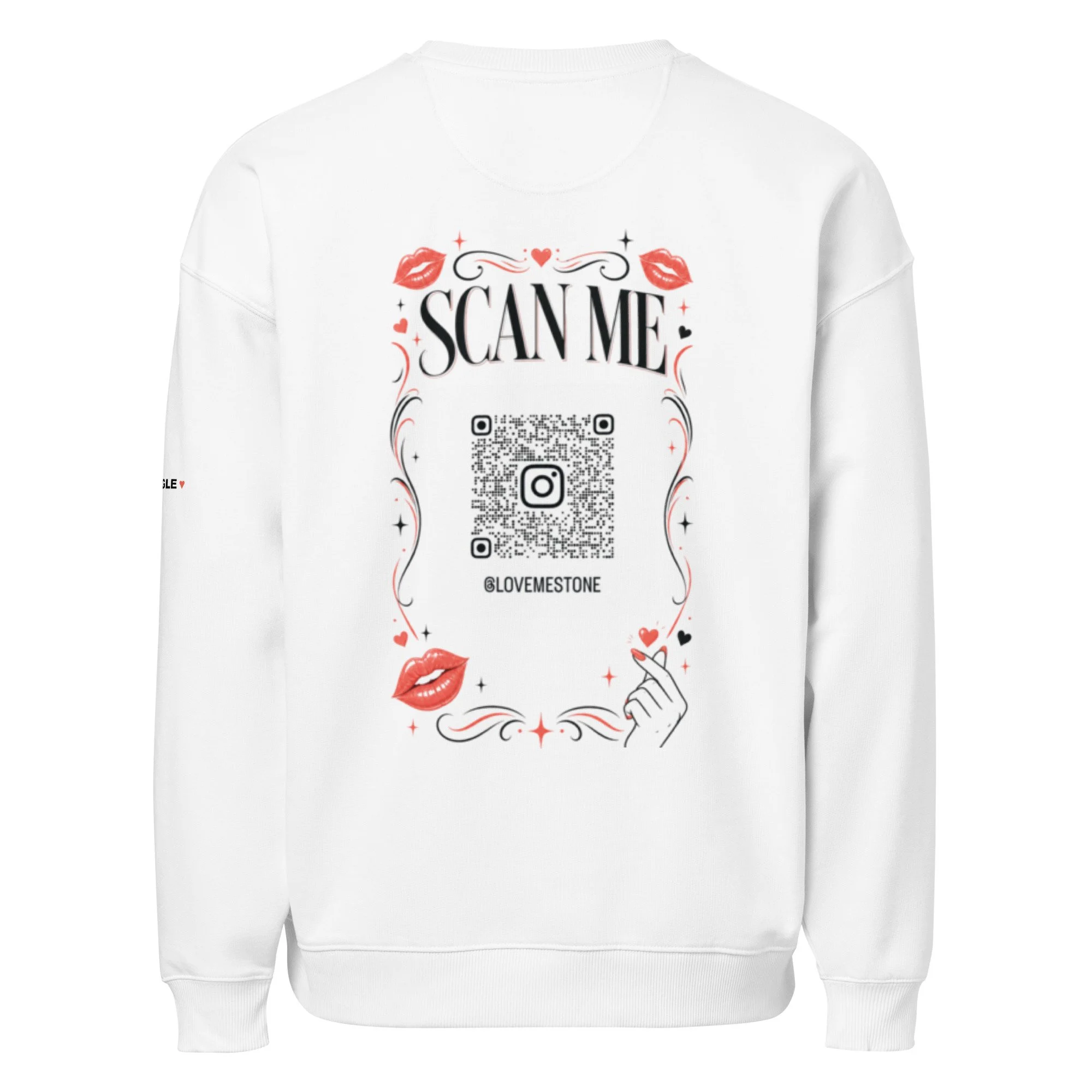
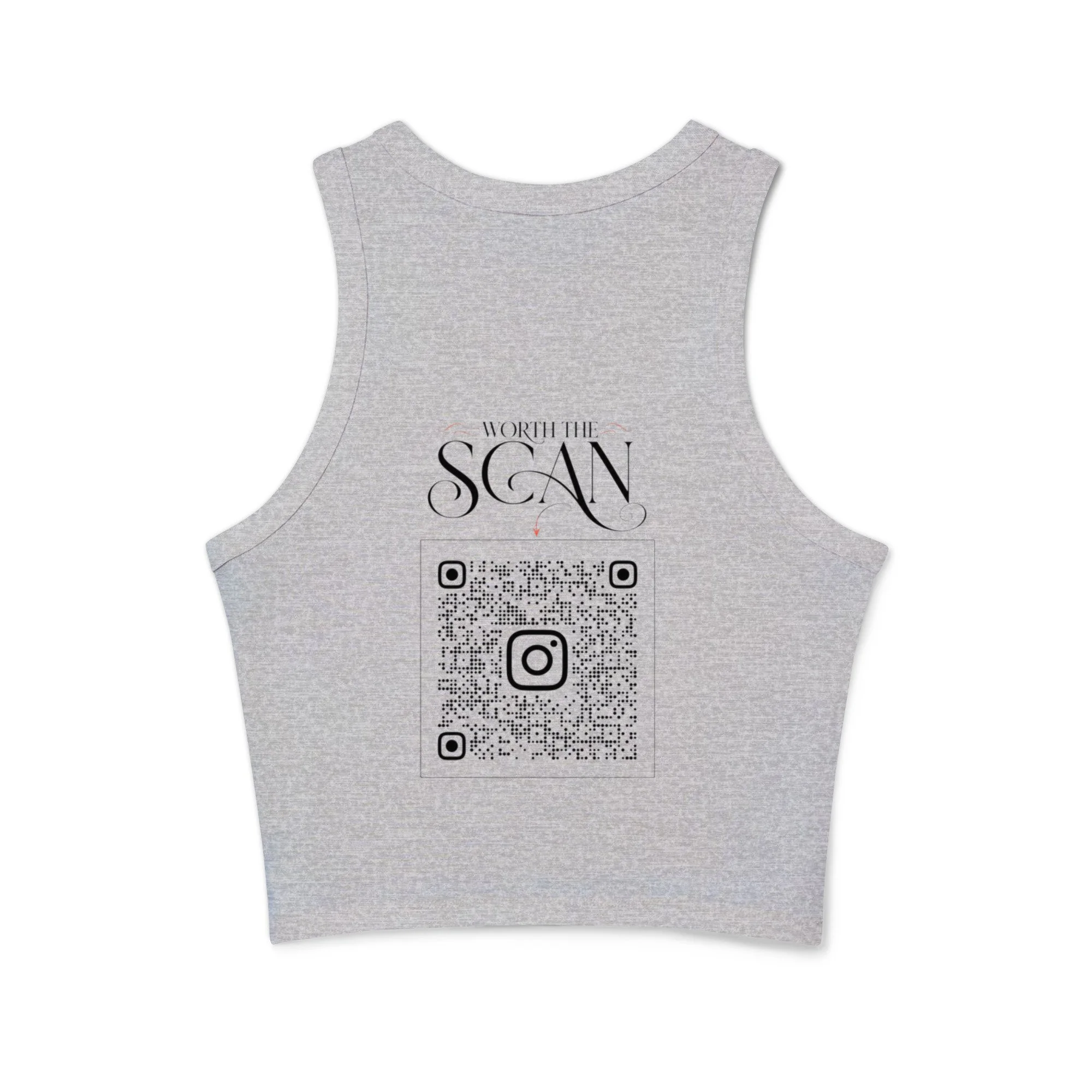
The Scan Me Collection taps into something playful: an invitation to step outside the usual script. It acknowledges that we are living in a digital world while giving technology a different role. Instead of using a screen to replace the interaction, it can become the spark that starts one.
Scan me—but then talk to me.
Ask me something you could not learn from a profile. Let me be more than a photograph and a list of interests. Give us both the chance to discover something an algorithm could never calculate.
Maybe Dating Needs Less Optimization
Modern dating encourages us to search for the best possible person. But relationships are not built by endlessly optimizing our options. They are built by choosing to pay attention to someone.
The apps can help us find people, but they cannot do the vulnerable part for us. They cannot create chemistry, build trust or decide when someone is worth another date. They cannot replace the moment when two people stop evaluating each other and begin genuinely connecting.
Maybe the answer to dating fatigue is not another app, a smarter prompt or a more selective swipe.
Maybe it is remembering that people are better in three dimensions.
That attraction is not always immediate.
That a stranger can surprise us.
That taking a chance is uncomfortable because it actually means something.
The next connection might not be waiting behind another swipe. It could be sitting across the room, standing in line or hoping you will look up long enough to notice.
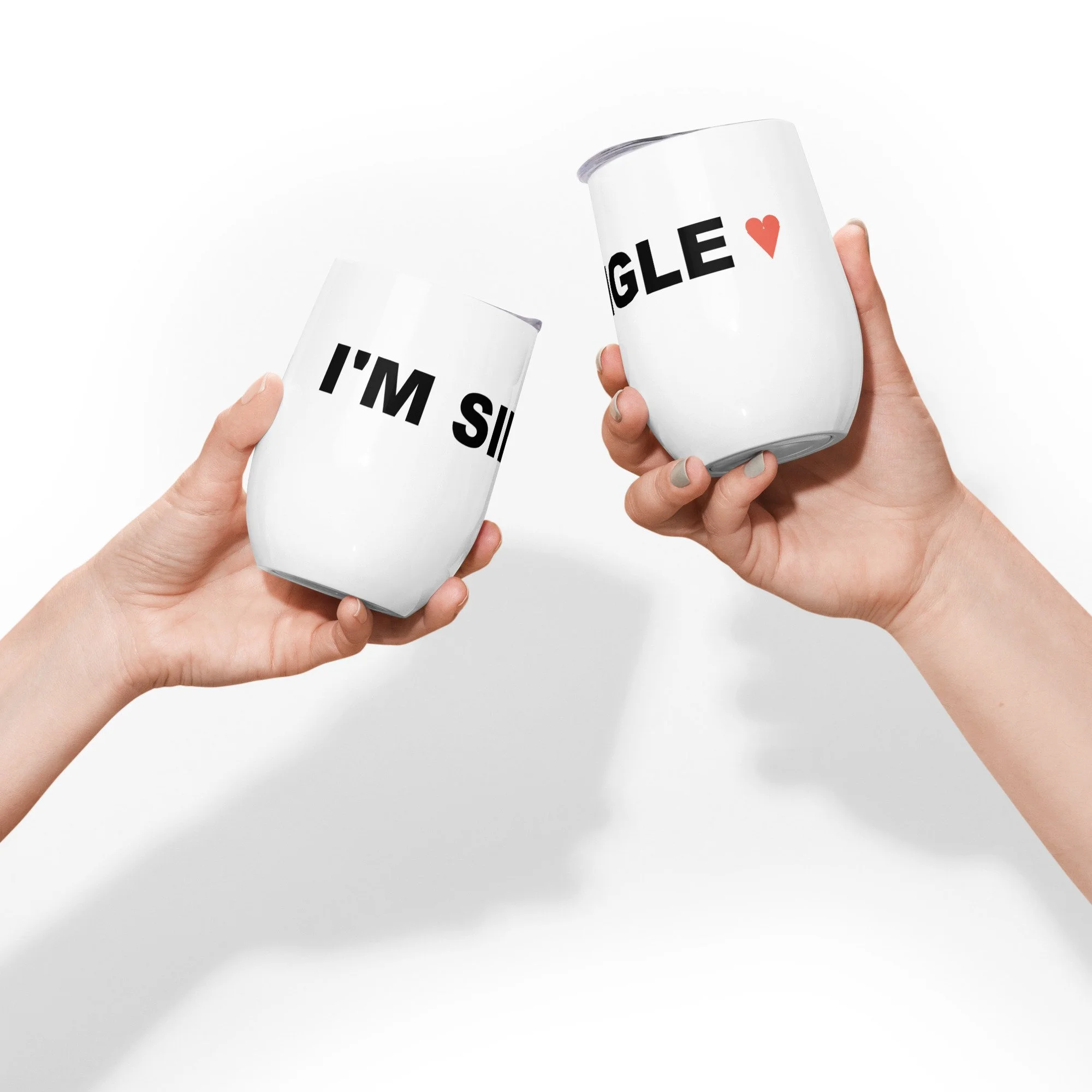
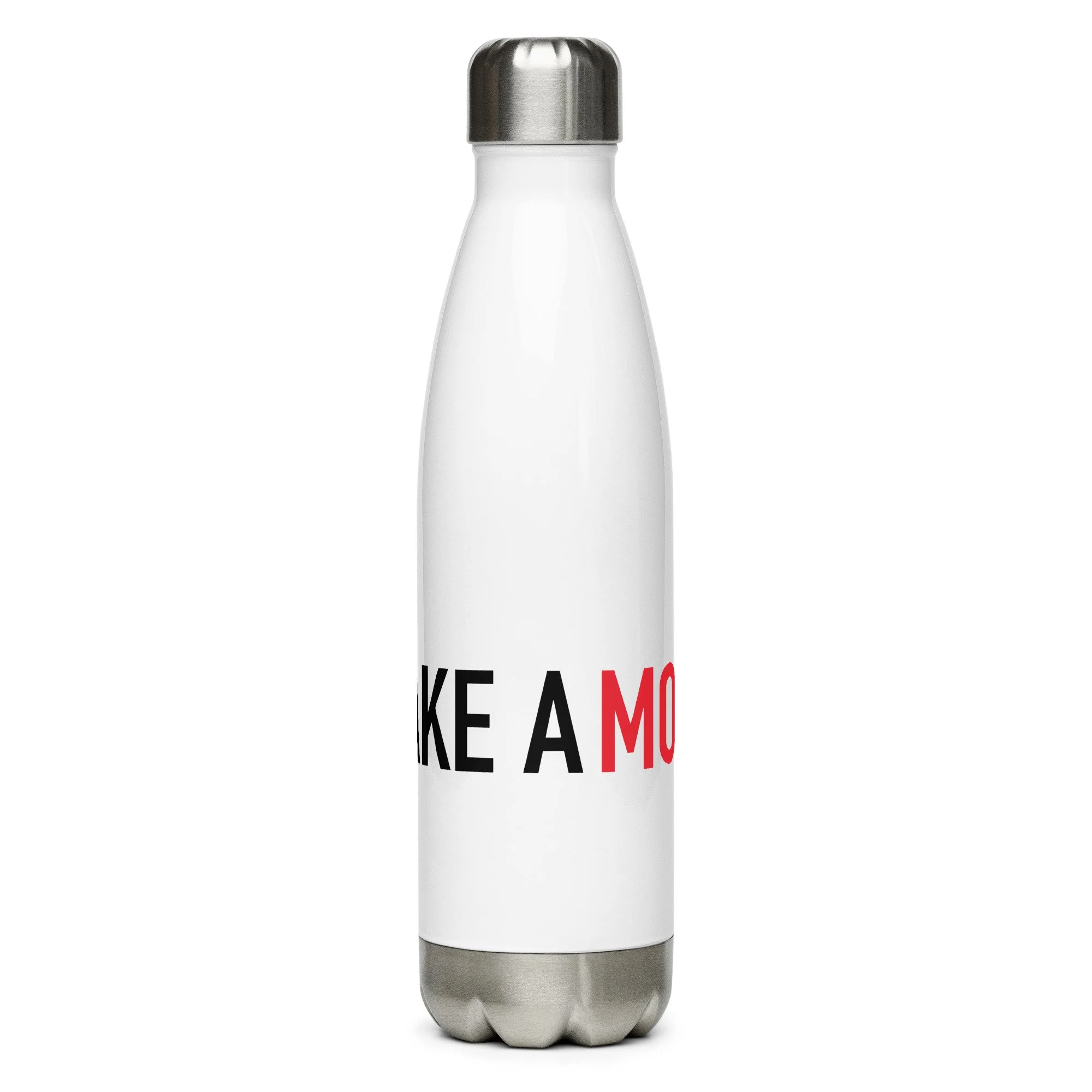
Let’s skip the small talk—you’re totally my type. This sleek, copper-insulated water bottle keeps your drinks at just the right temperature without getting all hot and bothered on the outside.
With a spill-proof design, easy-fill wide opening, and scratch-resistant powder-coated finish, it’s ready to follow you everywhere—from work and workouts to weekend adventures. Cute, dependable, and always down to keep you refreshed. Honestly, what more could you want in a companion?
Product details:
• Stainless steel with copper insulation
• 22 oz (650 ml) capacity
• 10.60″ × 2.90″ (26.92 × 7.37 cm)
• Weight: 12.8 oz (363 g)
• Spill-proof design—because messy isn’t always sexy
• Scratch- and fade-resistant
• Smooth powder-coated finish
• BPA-free
Made on demand—because something this good should be made especially for you.