

Winter Is Not a Productivity Problem

A case for seasonal wellness, slowness, and honoring the quiet
Winter keeps getting mislabeled.
We talk about it like something to “get through.” A season to optimize away with morning routines, brighter lighting, louder goals, faster plans. As if the cold months are a personal failing. As if low energy needs fixing.
But winter was never meant to be loud.
Long before calendars were packed and notifications blinked at us all day, winter was a collective pause. A natural softening. A time when the world itself pulled inward. Animals hibernated. Fields rested. Communities stayed close to the hearth. The body followed suit, conserving energy, repairing itself, dreaming.
Seasonal wellness asks us to remember that.
We Were Meant to Live in Rhythm
Not all seasons ask for growth. Some ask for rest.
Spring is for emergence. Summer is for expansion. Autumn is for harvest and letting go. Winter is for stillness. For integration. For being instead of becoming.
When we ignore that rhythm, the body keeps score. Burnout. Anxiety. The strange guilt of feeling tired when you think you shouldn’t be. Seasonal wellness isn’t about doing less all the time, it’s about doing what fits the season you’re in.
Winter does not reward urgency.
It responds to gentleness.
Hibernation Isn’t Laziness
It’s intelligence.
Look at nature. Nothing blooms in January. Nothing rushes. Everything trusts the pause.
Human bodies are no different, even if modern life pretends otherwise. Shorter days affect circadian rhythms. Less sunlight shifts hormones. Cold pulls us inward. Wanting more sleep, more warmth, more quiet is not weakness, it’s biology.
Hibernation, in a human sense, looks like:
Earlier nights
Slower mornings
Fewer social obligations
Comfort foods that nourish instead of impress
Creative thinking without pressure to produce
Rest is not a reward you earn in spring. It’s the foundation that makes spring possible.
Winter Self-Care Is Subtle
This isn’t spa-day self-care. It’s quieter than that.
Winter self-care is saying no without explaining.
Letting plans dissolve.
Allowing days to blur.
Choosing rituals over routines.
It’s warm baths and low lighting. It’s tea instead of another coffee. It’s reading the same book slowly instead of finishing five. It’s being okay with less output and more presence.
This kind of care doesn’t show up on trackers. But it shows up in the nervous system. In how safe your body feels when nothing is demanded of it.
Slowness as a Radical Act
In a culture that worships acceleration, slowing down is an act of resistance.
Winter invites us to decouple worth from productivity. To stop measuring days by what we crossed off a list. To let thoughts wander. To reflect instead of plan. To rest without guilt.
When you slow down in winter, you’re not falling behind.
You’re aligning.
You’re storing energy.
You’re listening.
You’re letting the soil regenerate.
Let Winter Be Winter
You don’t need to glow harder.
You don’t need to push through.
You don’t need to turn this season into a project.
You’re allowed to be quieter now. Softer. Less available. Less ambitious. More inward. Winter is not asking for reinvention. It’s asking for trust.
Trust that rest is productive in ways you can’t see yet.
Trust that stillness is doing something.
Trust that spring will come without you forcing it.
For now, let the world sleep a little.
And let yourself sleep with it.
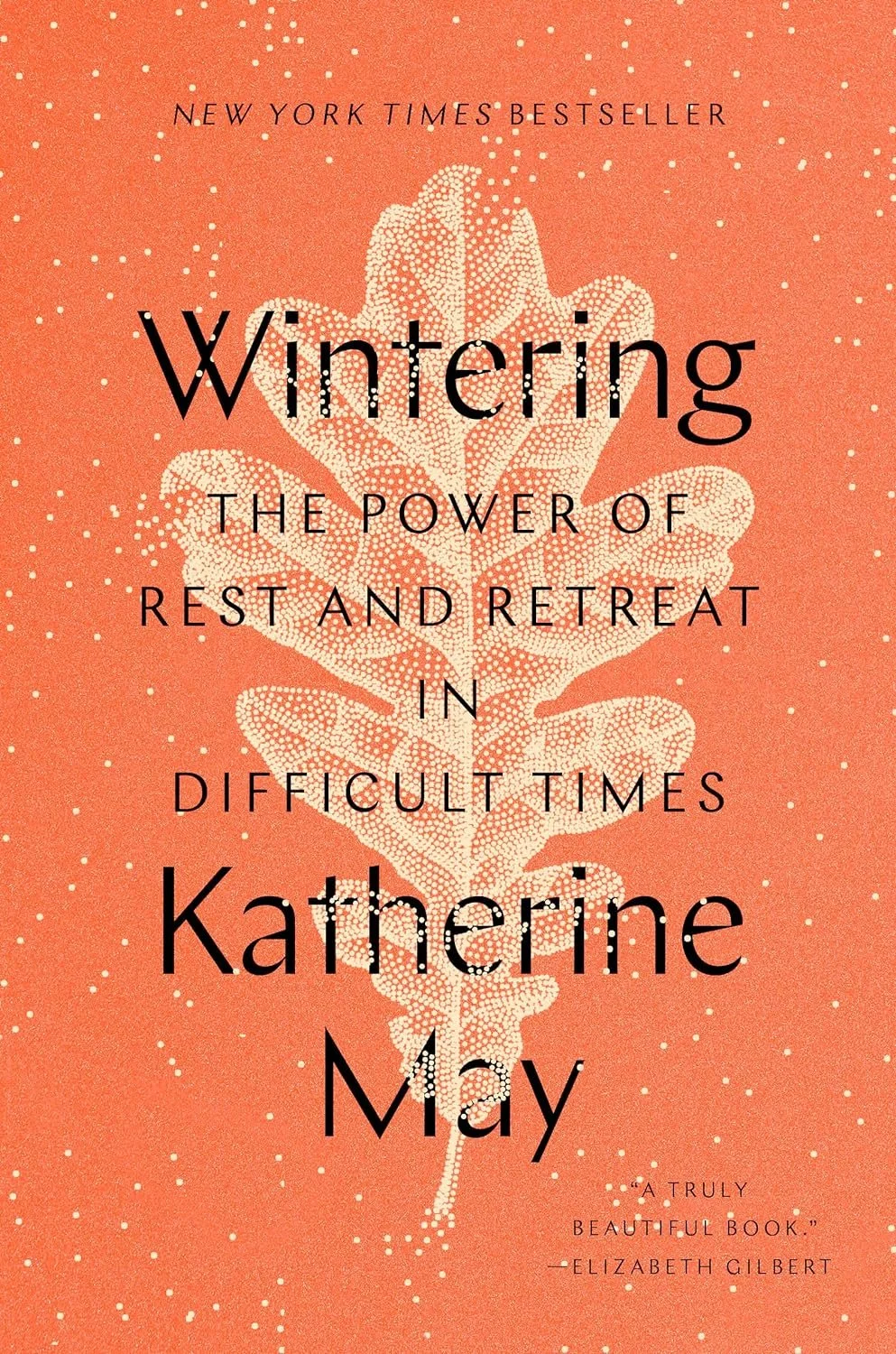
Wintering – Katherine May
This is the cornerstone text for this topic. May writes about emotional, physical, and literal winters with tenderness and permission. It reframes winter not as failure or depression to fix, but as a necessary season of retreat and repair.
Perfect if you want language for why slowing down feels right right now.
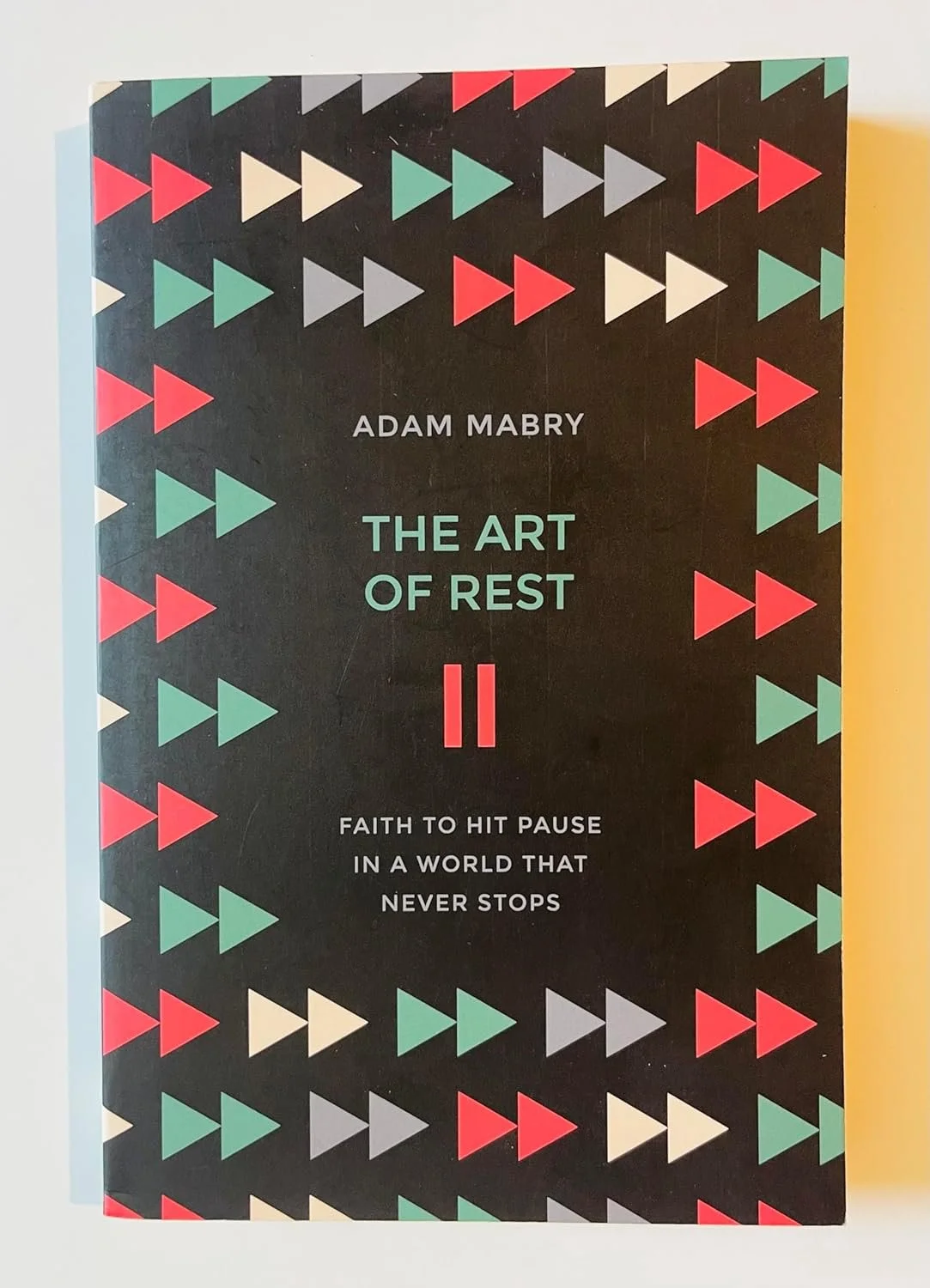
The Art of Rest – Claudia Hammond
Less poetic, more grounding. This book explores what rest actually is, how humans experience it differently, and why stillness matters. It gently dismantles the idea that rest has to look a certain way to be valid.
A great balance if you like your softness backed by science.
Sacred Woman – Queen Afua
A body-centered, cyclical approach to wellness that honors rest, ritual, and internal seasons. While not winter-specific, it speaks directly to slowing down, nurturing the nervous system, and honoring the body’s need for pause.
Best read slowly, almost like a devotional.
Braiding Sweetgrass – Robin Wall Kimmerer
Not explicitly about winter, but deeply about seasonal intelligence. Kimmerer blends Indigenous wisdom, botany, and spirituality to show how humans are meant to live in reciprocity with the natural world.
This book teaches patience, listening, and reverence for cycles. It changes how you see time.