

The Peptide Hype: What’s Real, What’s Not, and What’s Just Internet Noise
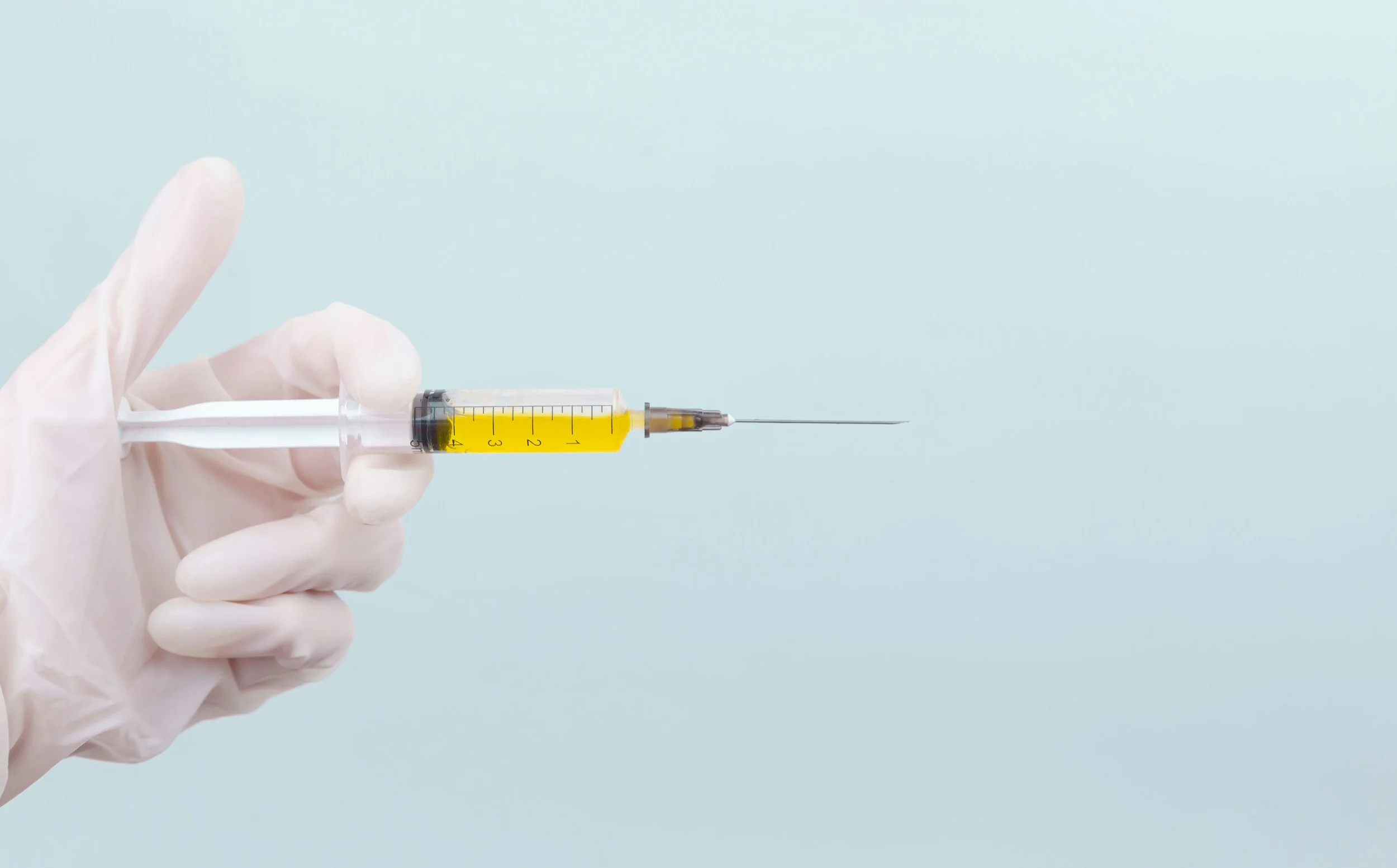
Scroll long enough and you’ll start to notice a pattern: peptides everywhere.
For skin. For recovery. For energy. For “regeneration.”
They sound clinical, almost futuristic — like tiny biological keys unlocking upgrades for your body.
But here’s the uncomfortable truth: “peptides” isn’t one thing. It’s a category so broad it’s started to lose meaning altogether.
And that’s where things get messy.
First, what even are peptides?
Peptides are simply short chains of amino acids — the building blocks of proteins. Your body already uses them constantly for communication, repair, and regulation.
So yes, they’re real, biological, and important.
But the peptides trending online? Those are a different story.
The two names you keep seeing: BPC-157 and GHK-Cu
These two show up everywhere in wellness circles, but they live in very different scientific neighborhoods.
🧪 BPC-157
Often marketed as a “healing peptide” for injuries, gut repair, and recovery.
Not FDA-approved
No approved medical use
Human data is extremely limited
Most research comes from animal studies
Sold widely as a “research chemical”
The internet version of BPC-157 sounds like: repair anything, anywhere, fast.
The scientific version is much quieter: interesting early findings, not yet proven in humans.
💎 GHK-Cu (Copper peptide)
A naturally occurring peptide found in the body and used in some skincare formulas.
Not FDA-approved as a drug
Allowed in cosmetics
Studied for skin repair and collagen signaling
Shows mild but real biological activity in lab and small studies
This one sits closer to reality — but still far from the “glass skin overnight” narrative it often gets wrapped in.
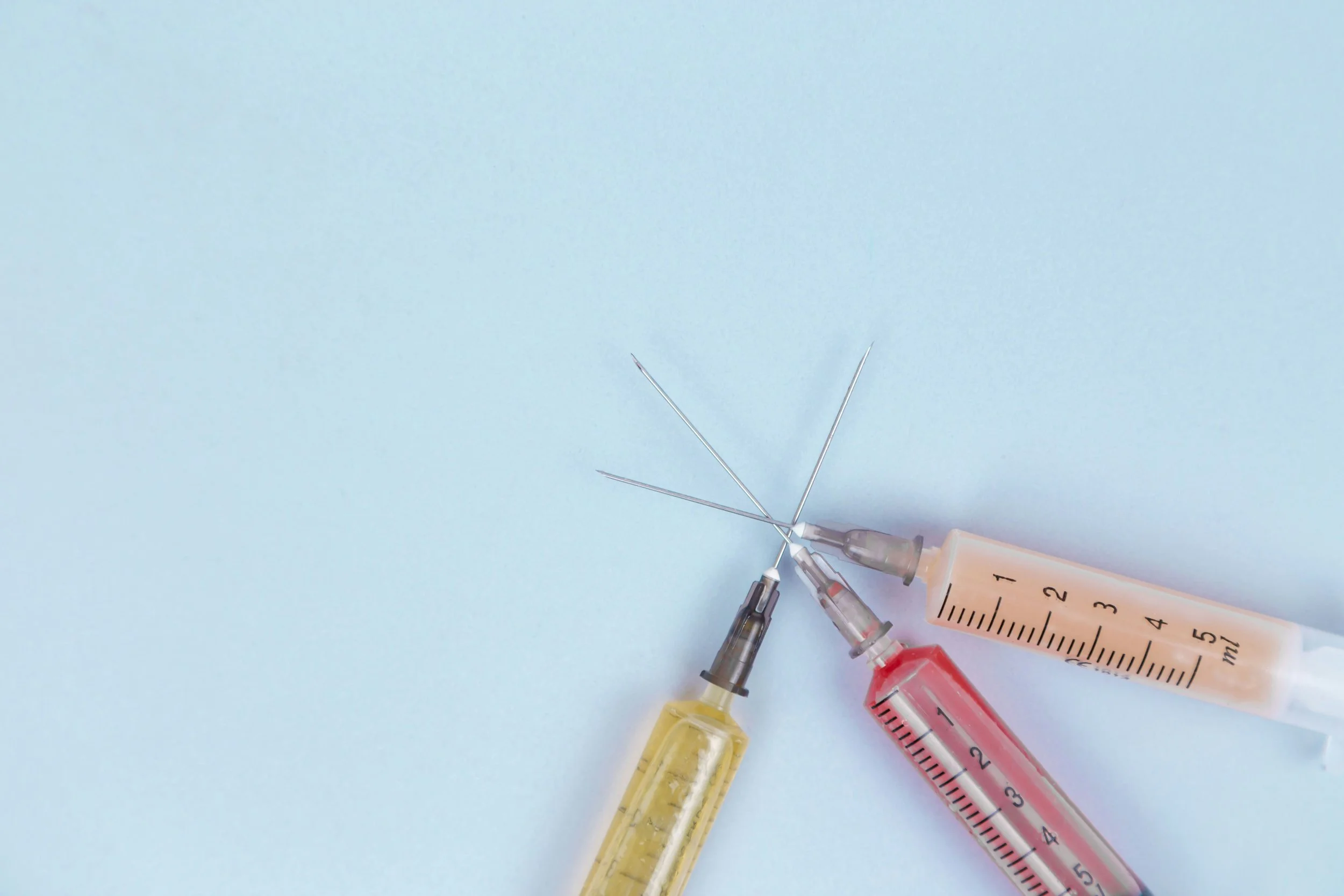
Why peptides became the new wellness obsession
Peptides check all the boxes for modern marketing:
They sound scientific
They’re hard to understand (which makes them easy to exaggerate)
They feel “biohacked” and futuristic
They sit in a gray area between research and regulation
Add social media, and suddenly early-stage science becomes lifestyle content.
The FDA piece people keep getting half-right
Here’s the nuance:
Some peptide-based drugs are FDA-approved (think GLP-1 medications like semaglutide)
Many trending “peptides” online are not approved for cosmetic or wellness injection use
Skincare peptides exist, but are regulated differently than drugs
So the idea that “peptides are not FDA approved” is too broad — but so is the idea that they’re all proven therapies.
Both extremes miss the point.
So… do peptides work?
The honest answer is: some do, some might, and many are still uncertain.
In medicine, certain peptide drugs are powerful and evidence-backed
In skincare, some peptides may support skin function in subtle ways
In the wellness underground, many are still experimental with unclear safety profiles
The gap between “interesting biology” and “proven treatment” is where most of the hype lives.
A simple way to think about it
Not all peptides are created equal:
💊 Some are real, regulated medications with strong evidence
🧴 Some are cosmetic ingredients with modest, supportive effects
🧪 Some are early-stage compounds being marketed ahead of science
The word “peptide” doesn’t tell you which one you’re dealing with — context does.
The takeaway
Peptides aren’t a scam. But the story built around them online often is.
Science moves slowly. Marketing moves fast.
And right now, peptides are living in that gap between discovery and storytelling.